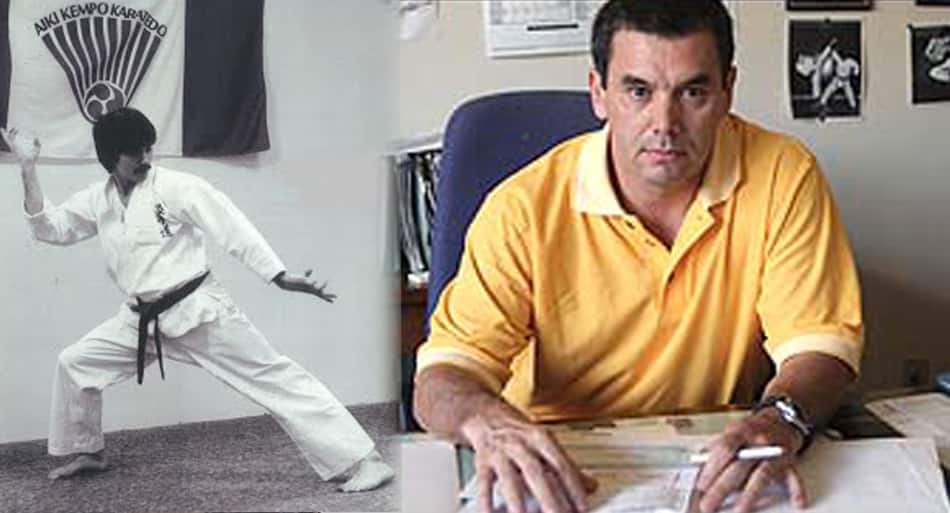
Back in April rumors surfaced on IntheCage.ca that controversial Ontario Athletic Commission head Ken Hayashi would be leaving his post in December. OAC media rep Stephen Puddister issued a denial.
A commissioner does not have to be popular, but he or she does have to be professional, and numerous detractors argue that Hayashi was neither. They allege that his management was heavy-handed, unduly expensive, and innefective, making it nearly impossible to run an event.
The numbers would seem to bear out the charges. There were 10 MMA events in 2010, and just one last year. And, his critics claim, that is by design.
WScF Canada promoter Darren Owen says Hayashi told him, You can come here if you want to lose money.” Owen summed up Ontario’s MMA situation in a word – “insanity.”
Early this year there were rumors that the UFC planned an event in Windsor, ON on March 7, but canceled due to Hayashi. The rumors say the commissioner would not allow the UFC to announce any fights until he had personally reviewed and approved them, but that he was out for much of January on his annual boating vacation, and could not be reached.
The Ontario Star reports that promoter Garnet Ace canceled a Global Warriors FC event in Brantford, ON in June when Hayashi turned down several of the fights. That could be seen as doing his job, but Ace reported that Hayashi turned down the fights four days before the event, leaving no time to find replacements, and had known about them for months. Ace says he lost $40,000 on the canceled show.
Instead of working with us, he was always working against us, said Ace. Amateur shows are exploding but what are the pros having to do? They’re having to leave the province.
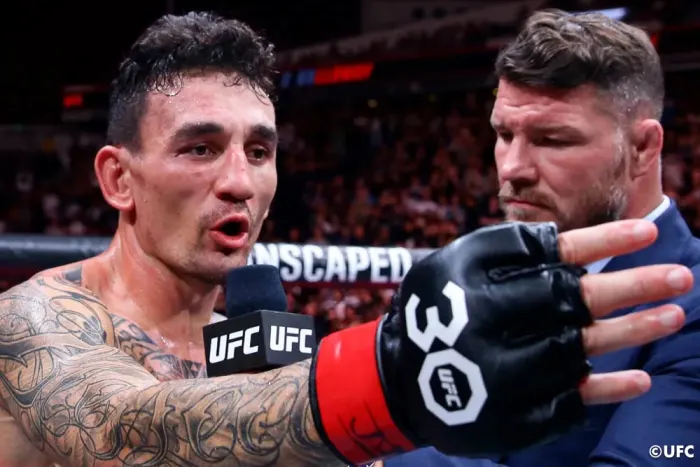
Hayashi turned down Rashad Evans application to fight at UFC 206 in Toronto due to an abnormality on his CT Scan. This could be seen as a responsible step, taken by a commissioner possessed by an abundance of caution. However, a look at the Province’s Athletics Control Act reveals in some areas an abundance not of caution, but of danger.
Nevada, California, and New York for example require promoters to have insurance for fighter injury. Ontario does not. Ontario does not require doctors to remain ringside immediately after bouts. And to complete a perfect storm of danger, Ontario requires boxers to weigh in the morning of their bouts, rather than 24-36 hours before.
Mexican boxer Guillermo ‘Vampiro’ Herrera went the contracted eight rounds with Canada’s Shakeel Phinn during a fundraising gala on April 12, but suffered a ruptured blood vessel in his brain, and collapsed after the bout.
Herrera had weighed in the same day, leaving insufficient time to rehydrate, a critical element in brain trauma. His cornermen pleaded for medical help for more than five minutes before a doctor arrived. And the father of two had no insurance and has massive bills. He was paid $4,000 for the bout, and a crowdsource fundraiser added another $5,000.
In response, the World Boxing Council declared a moratorium on sanctioning title bouts in Ontario.
The WBC has pleaded with the OAC to comply with the established world safety standards applicable to professional boxing, said the WBC in April. There is ample medical evidence that the OAC’s weigh-in practice is dangerous.
The three biggest safety issues in mixed martial arts are brain trauma, Performance Enhancing Drugs, and the culture of extreme weight cutting. Hayashi was on the wrong side of history on weight cutting. He was not forward thinking on concussion, instituting new standards as are happening in for example California and Nevada. And he did no PED testing.
It’s more important [in combat sports] than in any other sport, said UFC VP of athlete health and performance Jeff Novitzky. This is not hitting a ball over a fence. This is two human beings in combat.
The UG’s own Erik Magraken summed Hayashi’s lack of PED testing up in a word – bizarre.
Ontario’s drug testing policy is not normal; it is indeed quite bizarre, wrote Magraken. Asking a promoter to be in charge of their own drug testing is perhaps the worst possible conflict of interest that can be imagined in combative sports.
Official notice of Hayashi’s retirement accented the positive.
During his more than 30 years of dedicated service, the OAC has maintained an admirable health and safety record in the regulation of professional combative sports, wrote Maureen Adamson, deputy minister of Tourism, Culture and Sport.
The same memo promised a fair and open process to fill the position. Ministry policy advisor Ray Dempster is the interim commissioner.